By Scott Taylor · October 22, 2026 · Updated October 23, 2026
How to Get to Boracay from Manila: Flights, Caticlan & Kalibo (2026)
The two airports, the jetty-port chain, the fees and the overnight ferry — every way from Manila to Boracay in 2026, with the mistakes that cost first-timers half a day.
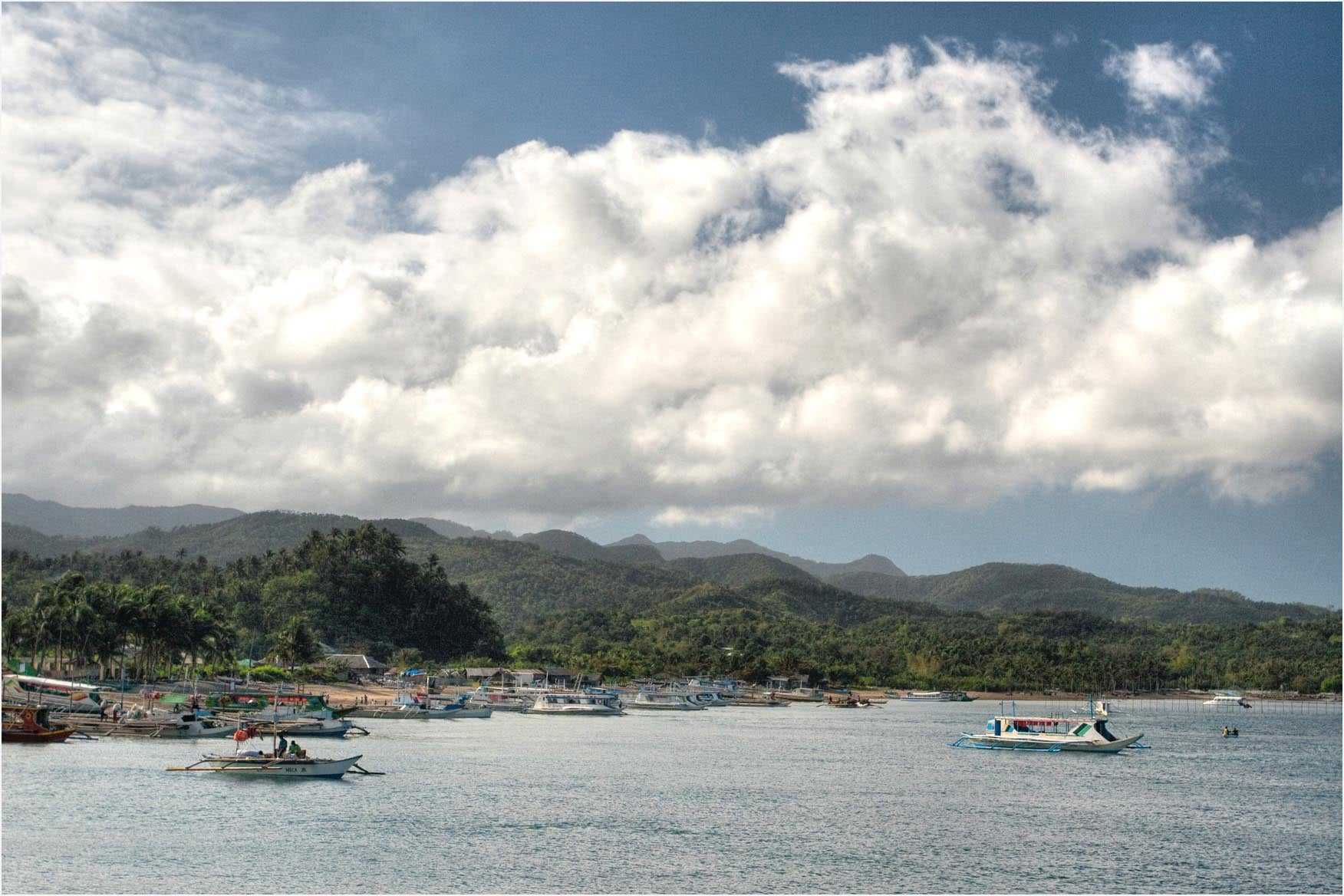
Boracay has no airport of its own. Every trip from Manila ends with a boat, and the whole art of getting there is choosing which of two airports to fly into and knowing the chain of tricycle, fees, pump boat and e-trike that follows. Done right it is an hour in the air and about an hour on the ground. Done wrong, you land two hours from the port, miss the last boat and pay for a night transfer. This guide is the version done right, as things stood in October 2026.
The 60-second answer
- Fly to Caticlan (MPH) if you can. It is about an hour from Manila, and the jetty port is five to ten minutes from the terminal.
- Fly to Kalibo (KLO) only if the fare difference is large. It is about 68 kilometres and 1.5 to 2.5 hours by road from the port.
- At Caticlan jetty port you pay a terminal fee, a one-time environmental fee and the boat fare, show your hotel booking and the Boracay iPass QR code, and cross in 10 to 15 minutes.
- From Cagban port on Boracay, an e-trike or your hotel’s shuttle takes you to the stations along White Beach.
- Leave Manila early. Afternoon flights are fine, but an evening arrival risks the last regular boats and a paid night crossing.
Step 1: Caticlan or Kalibo?
Caticlan’s Godofredo P. Ramos Airport is the one you want. Cebu Pacific, PAL Express and Philippines AirAsia all fly it from Manila, the flight is about an hour (PAL’s PR2037, for example, was scheduled 13:45 to 14:45 on an Airbus A320 in October 2026), and the jetty port is about two kilometres from the terminal. The runway is short at 1,800 metres, which is why the airport takes only A320-size jets and why flights divert to Kalibo in bad weather. A new terminal, the first phase of a ₱2.5 billion rebuild, is under construction and due in 2027; expect a building site around the arrivals hall until then.
Kalibo International Airport is the fallback. Cebu Pacific and AirAsia fly it from Manila in about an hour and ten minutes, fares are often lower, and it has a longer runway that keeps operating when Caticlan closes. The cost is the road: about 68 kilometres and 1.5 to 2.5 hours to Caticlan jetty port by van or bus. If the Kalibo fare saves you less than a few hundred pesos per person, it is not worth the two hours.
Which Manila terminal? As of 2026, Cebu Pacific’s Boracay flights used NAIA Terminal 3, and PAL Express and AirAsia’s domestic flights used Terminal 2. AirAsia moved its international flights to Terminal 1 in March 2026 but kept domestic at Terminal 2. Terminal assignments shift, so check the one printed on your booking the day before.
Step 2: Manila to Caticlan, then the jetty port
Land, collect your bag, and take a tricycle or the shuttle van to Caticlan jetty port, about two kilometres away and five to ten minutes; early-2026 guides put the tricycle at about ₱75 per person or ₱150 for the whole vehicle. Transfer operators and many Boracay hotels sell a packaged transfer that covers this leg, the fees and the boat, which removes every queue below for a modest premium.
At the port the sequence, as listed by local guides in early 2026, is:
- Register with the Boracay iPass, the Province of Aklan’s online system. You register, pay the fees online and get a QR code that is scanned at the port gates on the way in and again on the way out. Children of five and under are exempt from the terminal pass.
- Show a confirmed booking at a Department of Tourism-accredited hotel and a valid ID. Boracay has required a hotel confirmation since its 2018 reopening and still did in 2026.
- Pay the fees if you have not paid online: a provincial terminal fee of about ₱150 each way, a municipal environmental fee of about ₱300 for foreign visitors and ₱150 for Filipinos, paid once per trip, and a boat fare of about ₱50. These figures are from guides updated in January to March 2026 and are the levels set in September 2022, when the terminal fee rose from ₱100 and the foreign environmental fee from ₱150.
- Board the pump boat for the 10 to 15 minute crossing to Cagban port on the island’s southern tip.
A unified ticketing system called LezzGo Boracay has sold the boat, terminal and environmental charges as one ticket since August 2025, with a ₱35 convenience fee per trip from September 2025. Whether you pay through iPass, LezzGo or a transfer package, keep the QR code and the receipts on your phone; they are checked again when you leave.
Step 3: Cagban port to your hotel
From Cagban, e-trikes and tricycles run to Stations 1, 2 and 3 along White Beach, the main road and the hotels at Bulabog on the east coast. Early-2026 guides put a ride at about ₱100 to ₱250 depending on the distance and how many of you there are; agree the fare before you get in. Most mid-range and upper resorts include a shuttle from Cagban if you send your arrival time. Which station to aim for is a question of its own, answered in our guide to where to stay in Boracay; the short version is Station 1 for the widest, quietest sand, Station 2 for the restaurants and D’Mall, Station 3 for the budget rooms. Our Boracay hotel page has six picks with live prices, and the Boracay destination guide covers the island itself.
Discovery Shores Boracay
the Station 1 flagship, with the beachfront suites and the service that tops most Boracay lists.
The Kalibo route in detail
If you land at Kalibo, head out of the terminal for the vans and buses to Caticlan. In 2026 the options ran from the local Ceres bus at about ₱100, leaving roughly every 30 minutes between 06:30 and 19:30, to shared vans in the ₱300 to ₱400 range and private vans at about ₱1,200 to ₱1,500 for the vehicle, according to local guides updated between October 2025 and mid-2026. Southwest Tours, the best-known transfer company, sells Kalibo packages that bundle the van, the fees and the boat, but publishes no prices online, so ask when you book. Allow two hours for the road and arrive at the port before the late afternoon.
The overnight ferry
There is a slow option: 2GO’s ship from Batangas port (two to three hours south of Manila) to Caticlan, an overnight sailing of about eleven hours that in 2025 left at 21:00 on Mondays, Wednesdays and Fridays, plus a 09:00 Sunday departure. Fares listed in September 2026 ran from about ₱1,467 for an open-plan “Super Value” berth and ₱1,824 for tourist class to ₱2,449 for a cabin bed, fuel surcharge extra. It is for travellers with time, a vehicle or a fear of small planes rather than a way to save money once the Batangas transfer is counted. 2GO’s online booking site was out of action in October 2026, with bookings taken by messenger, so confirm the sailing days before you plan around it.
Which way should you go?
| Route | Door to door | Best for |
|---|---|---|
| Fly to Caticlan | about 3 h | Nearly everyone |
| Fly to Kalibo, then road | about 5 h | Big fare gaps; Caticlan closed |
| Ship from Batangas | a day and a night | Vehicles, slow travel |
Mistakes to avoid
- Booking Kalibo thinking it is Boracay’s airport. It is 68 kilometres away. Look for Caticlan (MPH) first.
- Arriving after dark. Regular pump boats wind down in the early evening, and the paid night crossings cost many times the daytime fare. Take a morning or early-afternoon flight.
- Travelling without a hotel confirmation. You need an accredited hotel’s booking at the port. Book the room before the flight.
- Forgetting typhoon season. PAGASA counts an average of twenty tropical cyclones a year in Philippine waters, eight or nine of which cross the country, mostly from July to October. Flights to Caticlan were cancelled wholesale on 26 September 2025 and again on 4 November 2025 for passing storms. In those months keep a spare day before any onward flight, and remember that bad weather sends Caticlan flights to Kalibo.
- Assuming a bridge is coming. A ₱7.78 billion bridge from the mainland was awarded in March 2026, but it faces local opposition, had no environmental clearance as of April 2026, and would carry public and service vehicles rather than private cars. The boat is the way for years yet.
Frequently asked questions
Which airport is closest to Boracay? Caticlan, officially Godofredo P. Ramos Airport (code MPH), two kilometres from the jetty port. Kalibo (KLO) is the alternative, 68 kilometres away.
How long does it take to get from Manila to Boracay? About three hours door to door via Caticlan: an hour in the air, then around an hour for the tricycle, the port formalities and the boat. Via Kalibo add about two hours of road.
What fees do I pay at Caticlan jetty port? As listed in early 2026, a terminal fee of about ₱150 each way, an environmental fee of about ₱300 for foreigners or ₱150 for Filipinos paid once, and a boat fare of about ₱50, plus a small convenience fee if you buy a unified ticket. Pay online through the Boracay iPass or at the port.
Is there a ferry from Manila to Boracay? Not from Manila itself. 2GO sails from Batangas port to Caticlan overnight, about eleven hours, a few times a week.
Do I still need a hotel booking to enter Boracay? Yes. A confirmed booking at a DOT-accredited hotel, a valid ID and the iPass QR registration were the requirements in 2026.
Some links on this page are affiliate links: if you book through them we may earn a commission at no extra cost to you. We only point you to places we’d be comfortable recommending. Fares, fees and timetables are the published figures on the dates given and change often; confirm them when you book.
Photo credits
Hero photo via Wikimedia Commons: “View from Caticlan’s jetty port” by Tuderna, licensed CC BY 3.0.