Ilocos, Philippines
Vigan
A preserved Spanish colonial city.

A UNESCO World Heritage site, Vigan's Calle Crisologo is lined with 16th-century Spanish mestizo architecture — cobblestone streets, horse-drawn carriages, and centuries-old bahay-na-bato houses.
The complete Vigan travel guide
When to visit Vigan
Vigan's dry season (November to April) is the only practical time to visit. December and January are the coolest months (22-28°C) and the most popular for domestic tourism. The Spanish colonial cobblestone streets and red-tile-roofed houses photograph best in clear winter light. February to April is dry but hot (32-36°C) — Calle Crisologo at midday becomes uncomfortable.
The wet season (June-October) brings daily rain and occasional typhoons that can wash out the cobblestone streets. Avoid this period if possible.
The Vigan Heritage River Cruise and Calle Crisologo Festival of the Arts happen in late spring — beautiful but crowded.
How to get to Vigan
Vigan sits on the northwest Luzon coast, 8-10 hours from Manila by bus. Partas Bus and Florida Bus run direct routes from Cubao and Sampaloc (PHP 750-1,000, mostly overnight). The faster option: fly to Laoag Airport (LAO) from Manila (1 hour), then take a van 90 minutes south to Vigan (PHP 200). The most relaxed option: combine with a Northern Luzon road trip through Pagudpud, Laoag, and back via Baguio.
Where to stay in Vigan
Stay within walking distance of Calle Crisologo — that's the entire reason to come. Hotel Luna is the historic luxury choice (a restored 19th-century mansion). Vigan Plaza Hotel and Henry Hotel are mid-range options right next to the cobblestone street. Budget travelers stay at Grandpa's Inn or various heritage homestays. Most of Vigan's heritage hotels have only 10-30 rooms — book early.
Getting around Vigan
Vigan's old town is small and entirely walkable. The famous kalesa (horse-drawn carriage) rides are tourist experiences — PHP 200-300 per hour for a tour of Calle Crisologo and nearby sites. For attractions outside the historic core (Bantay Bell Tower, Hidden Garden, Mindoro Beach), hire a tricycle (PHP 100-300 per stop) or a multicab van.
What to eat in Vigan
Vigan has unique Ilocano specialties unavailable elsewhere. Vigan empanada — orange-tinted, crispy, filled with longganisa, vegetables, and egg — is the star street food. Try them at Café Leona or the empanada stalls at Plaza Burgos. Bagnet is twice-fried pork belly, famous and gloriously fatty. Vigan longganisa sausages have a garlicky, slightly sour flavor unique to the region. Hidden Garden Restaurant serves these in a beautiful Ilocano-style garden. Café Uno in Hotel Luna does refined heritage-house dining.
Practical tips
- Calle Crisologo by night: The cobblestone street is closed to vehicles after 5 PM and lit by lanterns — magical for evening walks.
- Photography: Best light is dawn (no tourists) and golden hour. Midday is too harsh.
- Plaza Salcedo fountain show: 7:30 PM nightly — free, family-friendly, lasts 15 minutes.
- UNESCO status: Vigan's historic core is UNESCO-listed; respect the cobblestones (no high heels) and don't deface the buildings.
- Two days minimum: One day covers the highlights, but two lets you do nearby Pagudpud or Laoag as day trips.
Things to do in Vigan
Each spot below has its own full guide — click any card to read the complete write-up with photos and tips.

Calle Crisologo
The Philippines' best-preserved Spanish colonial street.
Read guide →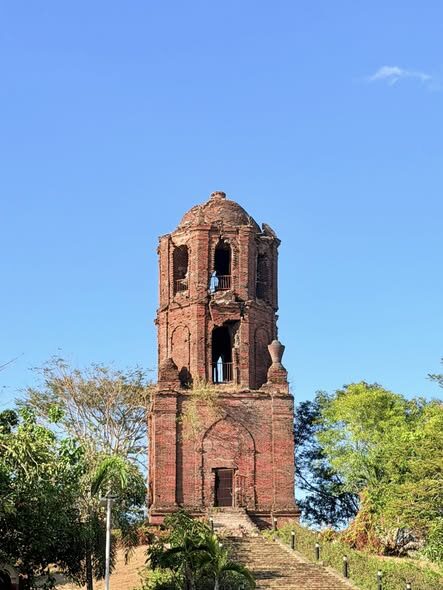
Bantay Bell Tower
Vigan's iconic 16th-century bell tower.
Read guide →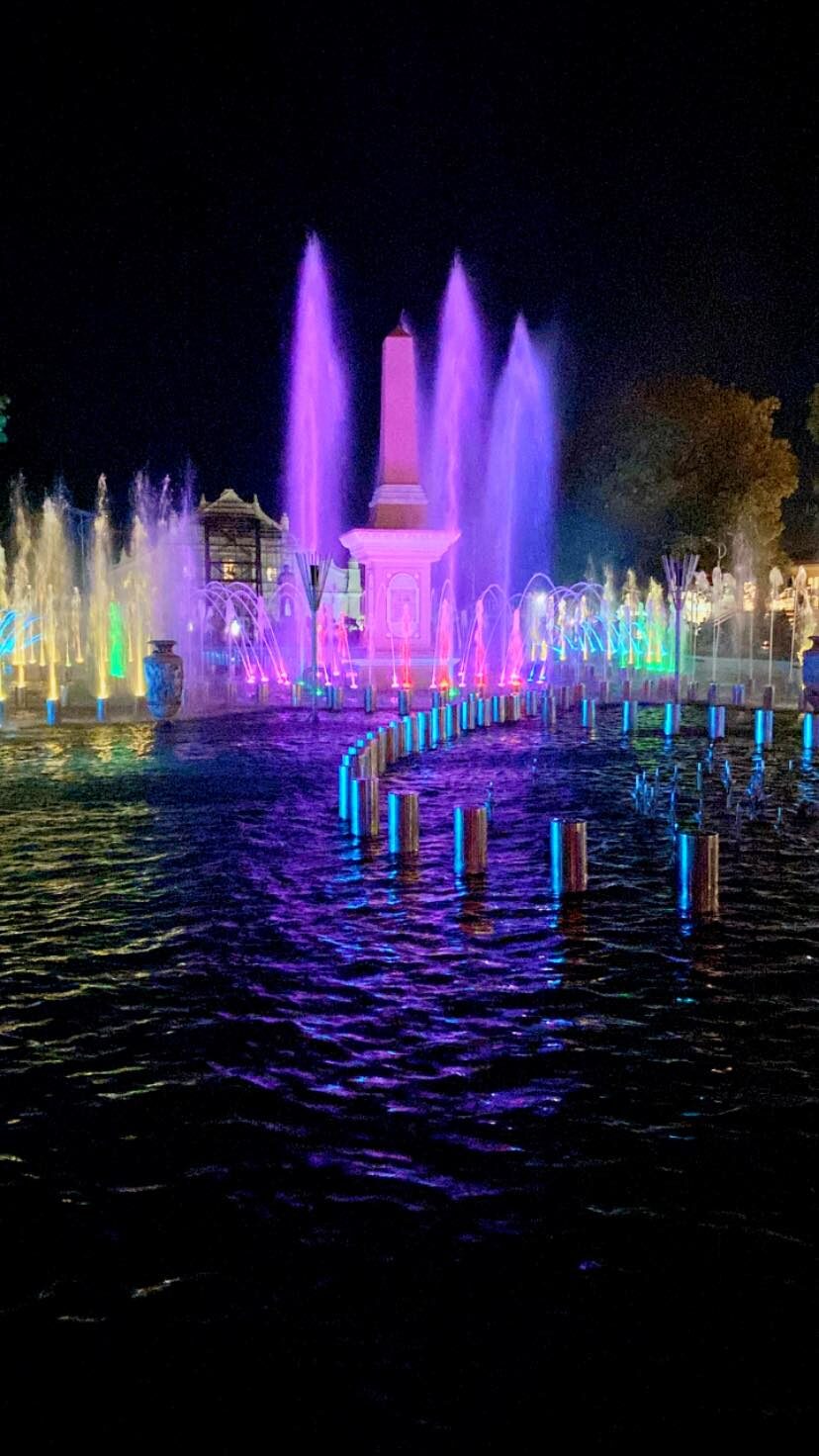
Plaza Salcedo
The historical center with dancing fountain show.
Read guide →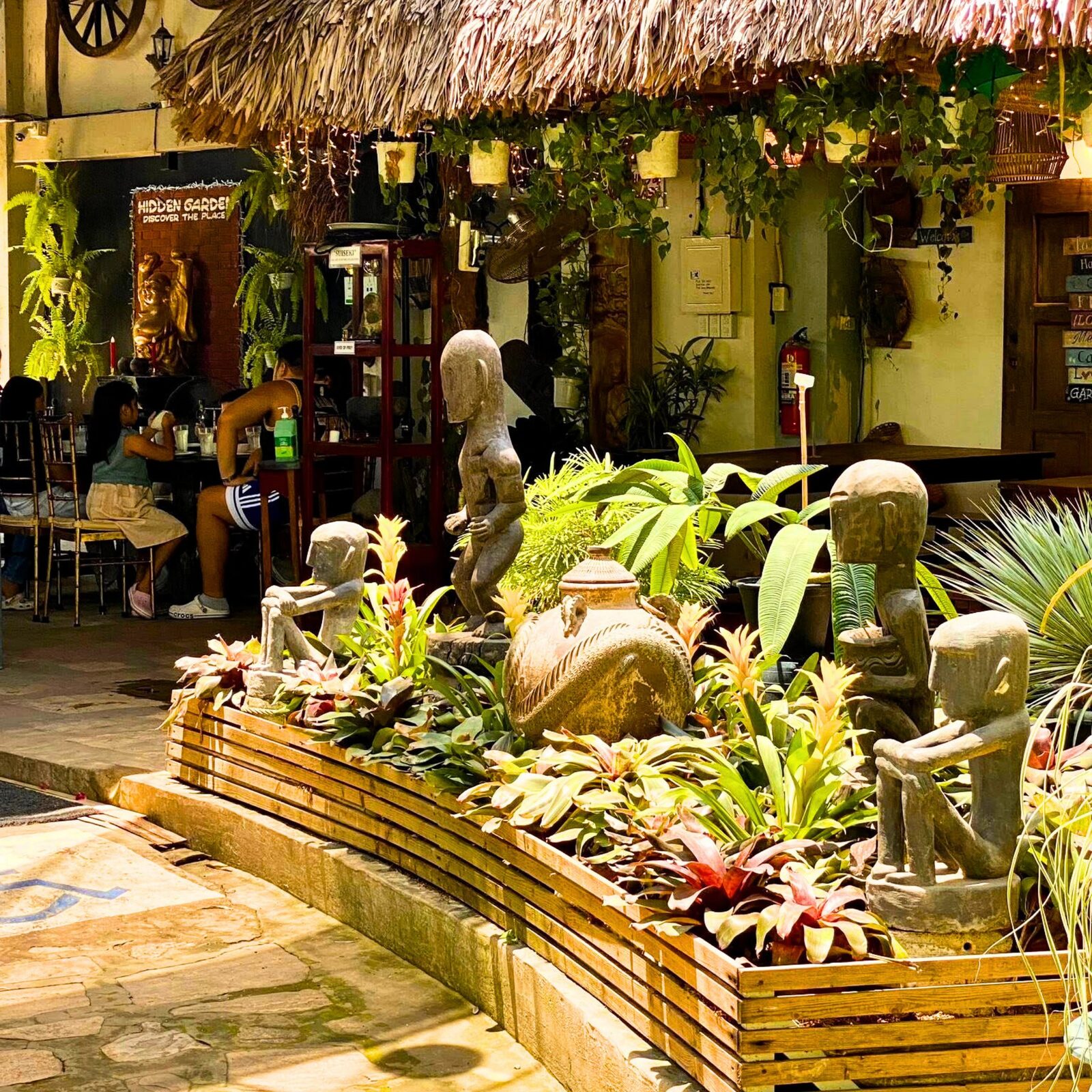
Hidden Garden
Vigan's iconic plant-filled restaurant.
Read guide →Hotels in Vigan
Compare hotels and resorts in Vigan on the live map below. Filter by price, rating, and property type — all bookings open with our affiliate partners.
Frequently asked questions
How do I get to Vigan from Manila?
Bus (8-10 hours via Partas or Dominion bus lines), or fly to Laoag (1 hour) and drive 2 hours south. Most travelers take overnight buses to save daylight time.
How long do I need in Vigan?
One full day covers the major sites. Two days lets you take it slow, do pottery making (Pagburnayan), and explore neighboring Bantay and Magsingal towns.
Is Vigan worth the trip from Manila?
Yes, for history and architecture lovers — there's nothing else like it in the Philippines. The Spanish colonial atmosphere is genuinely preserved. Less compelling for beach travelers.
What is special about Vigan food?
Ilocano cuisine — try empanada (rice flour, papaya, longganisa), bagnet (deep-fried pork belly), and pinakbet (mixed vegetables with bagoong). Café Leona on Calle Crisologo is a famous spot.